How to Add Text in CapCut | Best Tips for Pro-level Text Editing 2026
Quick Answer: To add text in CapCut, open your project, tap Text in the bottom toolbar, and choose Add Text. Type your words, then use Style for fonts and color and Animation for motion.
That is the whole workflow in one sentence. The rest of this guide covers each part: styling that stays readable, animation that does not distract, and timing that matches your video.
How to Add Text in CapCut
- Open CapCut and create a new project, or open an existing one. Import the video or photo you want the text to sit on.
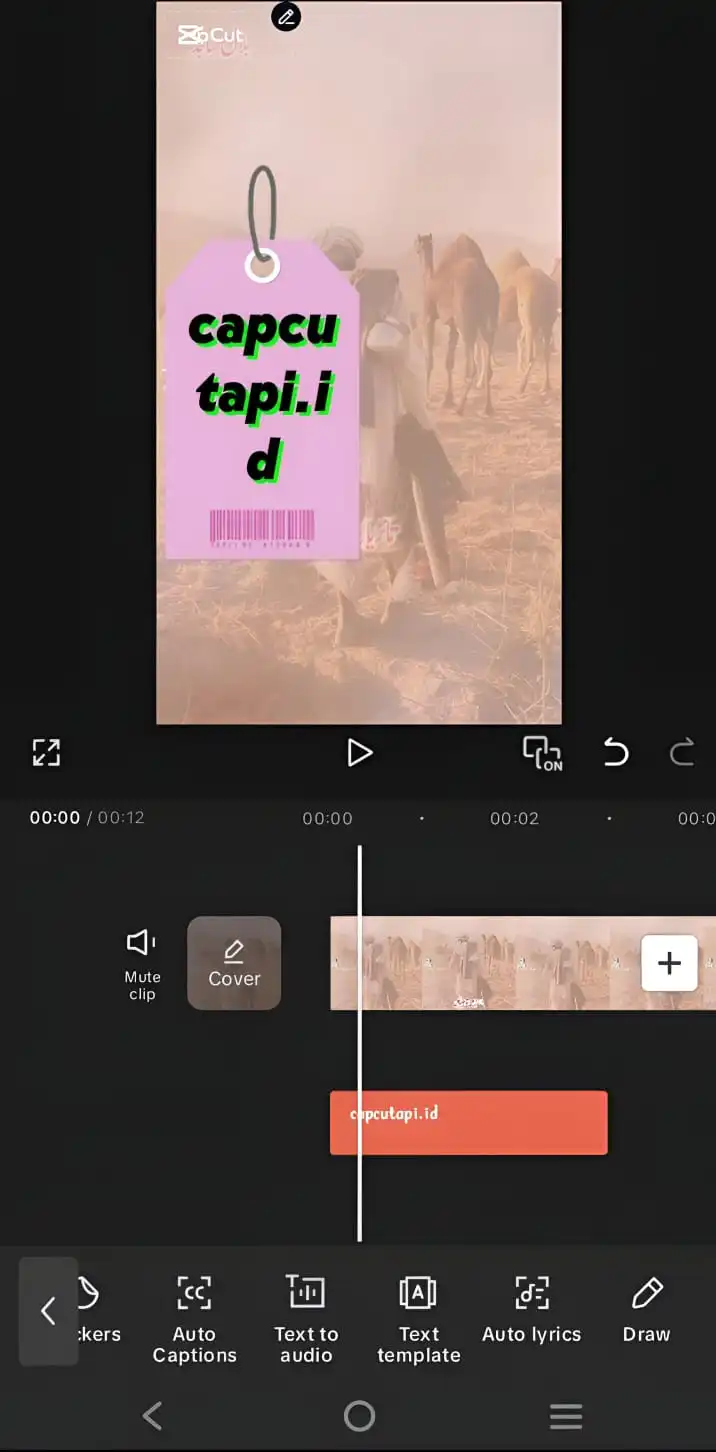
- Tap Text in the bottom toolbar, then tap Add Text. A default text box appears in the middle of the preview.
- Type your words. Keep on-screen text short: one idea per text box reads far better than a paragraph.
- Drag the text box to place it, and pinch to resize it. Leave clear space from the edges so captions and app buttons never cover it.
- Tap Style to set the font, size, color, stroke, background, and shadow. Then tap the checkmark to confirm.
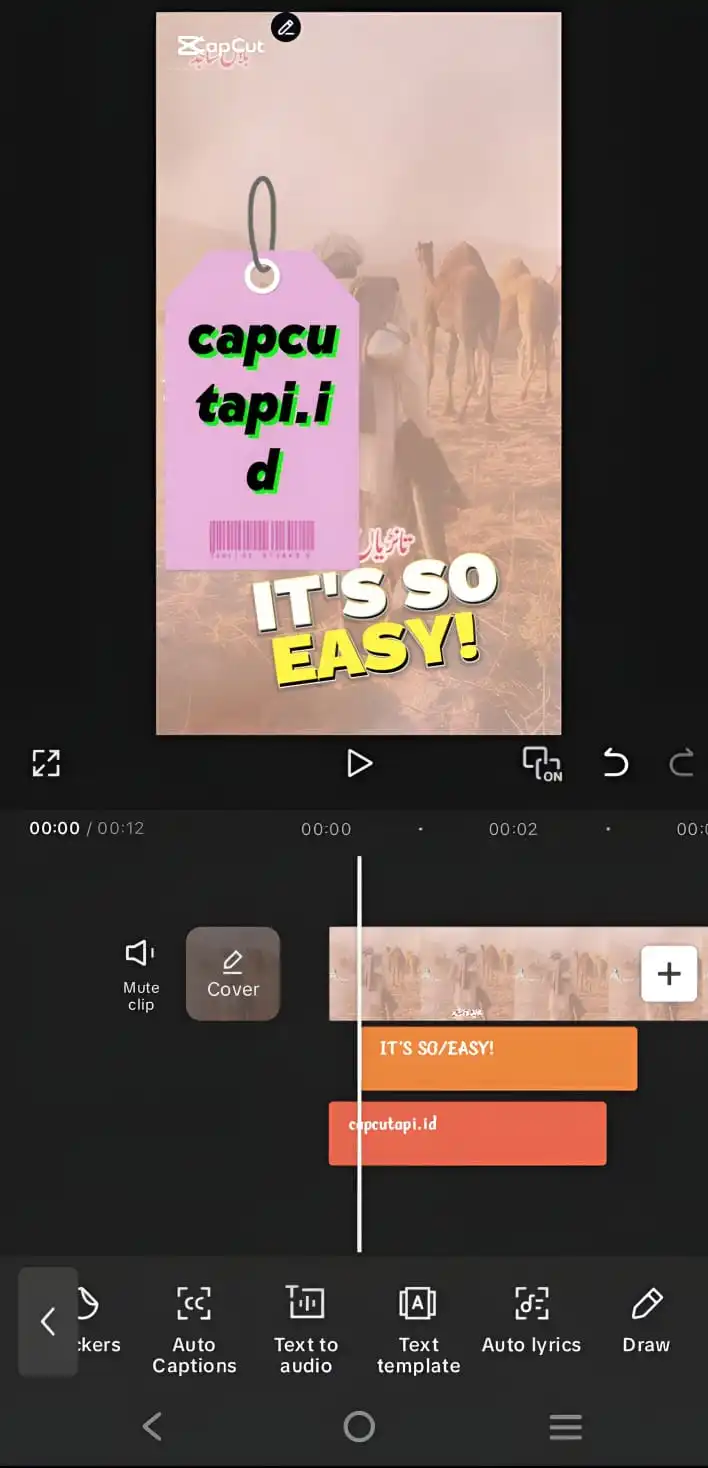
- Drag the text layer on the timeline to set when it appears and how long it stays. A good rule is at least 3 to 5 seconds per sentence.
- Preview the clip at normal speed. If the text is hard to read on a busy background, add a stroke or a background pill before export.

Styling Text So It Stays Readable
| Option | What it changes | Tip |
|---|---|---|
| Font | Changes the letter style | Bold fonts suit hooks; clean fonts suit captions. |
| Color | Changes the letter color | Pick a color that contrasts with the footage. |
| Stroke | Adds an outline around letters | The fastest fix for busy backgrounds. |
| Background | Puts a solid pill behind the text | The classic short-form caption look. |
| Shadow | Adds depth behind the letters | Keep it subtle, or text looks muddy. |
| Spacing | Adjusts letter and line spacing | A little extra spacing helps small text. |
Most fonts and styles are free. A few premium ones carry a Pro badge and need a CapCut Pro subscription, so check the badge before you build a design around one font.
Animating Text: In, Out, and Loop
Select your text layer and tap Animation. You get three slots, and you can use one of each at the same time. In animations control how text arrives: Typewriter, Fade In, Slide, Bounce, and Scale are the popular picks.
Out animations control how it leaves: Fade Out, Zoom Out, and Blur give clean exits. Loop animations run continuously: Wavy, Shake, and Swing are the common ones.
Use loops sparingly. Constant motion grabs attention for a few seconds, then wears thin on longer clips.
Drag the duration slider to speed an animation up or slow it down, then preview. An entrance of around half a second usually feels professional; longer entrances feel sluggish on short-form video.
Text Templates and Auto Captions
For instant titles, open the Text menu and tap Text templates. These are ready-made animated titles with fonts, colors, and animations already applied.
If you are learning to add text in capcut for the first time, templates are a safe starting point.
For spoken videos, try Text and then Auto captions. CapCut generates synced caption lines from your audio, and you can edit the wording and timing afterwards.
Auto captions save the most time on talking-head videos. If a template’s text will not edit the way you expect, build that title as your own text layer instead. Templates are a shortcut, not a cage, and your own layer gives you full control.
Timing and Placement Tips
- Match text to speech. Text that appears a beat before it is spoken feels early; text that lingers after the point feels stale.
- One idea per screen. Split long sentences into two text boxes that appear in sequence.
- Keep text out of the bottom corners on vertical video. Captions and buttons live there on most platforms.
- Test on your phone, not just in the editor. Small text that looks fine on a big preview can vanish on a phone screen.
Conclusion
To add text in CapCut well, follow the order: short words, readable style, gentle animation, honest timing. Text should help the viewer understand the video faster, not compete with it. Get those four things right, and your titles will look pro-level without any extra effects.
Related guides: how to reverse a video in CapCut, how to add music in CapCut, and how to use keyframes in CapCut. You can also browse more tutorials in the How To category.
How do I add text in CapCut?
Open your project, tap Text, then Add Text. Type your words, style them, and drag the text layer on the timeline to set its timing.
How do I animate text in CapCut?
Select the text layer and tap Animation. Choose an In animation for arrival, an Out animation for exit, and optionally a Loop animation for continuous motion.
Why is my text hard to read?
The footage behind it is probably too busy or too bright. Add a stroke outline or a background pill, or pick a higher-contrast color.
Are all CapCut fonts free?
Most are free. A few premium fonts carry a Pro badge and need a CapCut Pro subscription, so check before you commit to one.
How long should text stay on screen?
Aim for at least 3 to 5 seconds per sentence, so viewers can read comfortably. Shorter flashes get skipped, especially on fast-scrolling feeds.
Can I move text with keyframes?
Yes. Select the text layer and use the diamond keyframe icon to animate its position, scale, or rotation, just like any other layer.